EN
EN FR
FR  DE
DE  IT
IT  PT
PT  ES
ES 

Software Licensing in Multi-Language and Multi-Country Environments
Introduction
In today's global world, companies work in many countries and have teams that speak different languages. Software licenses are key to making sure all locations and users have legal and working tools.
This blog is a full guide on how to manage software licenses in many languages and countries. We will cover everything from what licenses are to the best ways for global companies to handle them. We will focus on Microsoft products like Office and Windows.
What Are Software Licenses?
Software licenses are legal rules that let a user or company use a computer program under certain conditions. When you buy software (like Microsoft Office or Windows), you are not buying the software itself. Instead, you are buying a license to use it. This license explains the rules and limits. For example, it states how many devices it can be installed on, how long you can use it (forever or for a set time), and rules against copying or sharing it without permission.
Simply put, the license is a contract between the software maker and the user. There are many types of software licenses. Some are very strict, while open-source licenses offer more freedom. For companies, commercial licenses from providers like Microsoft are most common. You must follow their rules closely. Using software without a license or breaking the rules is against the law and can lead to fines.
Importance of Licensing in International Business Environments
For a company that works in many countries, making sure all software has the right licenses is very important. The importance of licensing is clear in several key areas:
Legal Compliance
Each country has laws that say you must use real software. A global company must follow local and international rules to avoid fines and lawsuits.
Business Continuity
Software with proper licenses gets security updates and help from the maker. This is key to keeping things running in many countries. It lowers the risk of crashes, viruses, or security problems that can come from using fake or old software.
Reputation and Trust
Using legal software builds the company's good name. Clients, partners, and auditors see that the company respects licenses and copyright laws in all the countries where it works.
Also, in places with many languages, it's important to have licenses that let you install software in different languages for each region. Good global license management makes sure all employees, no matter where they are, can use the same tools in their own language and follow all laws.
Types of Microsoft Office and Windows Licenses
Microsoft offers many types of licenses for its main products, Office and Windows. These are made for different business sizes and needs. The main options include:
OEM Licenses (Original Equipment Manufacturer)
These licenses come already installed on new computers. For example, when you buy a PC with Windows already on it, it usually comes with an OEM Windows license. These are cheaper, but they are linked to the computer they came with and cannot be moved to another device.
Retail Licenses
These are single licenses bought in stores or online. They let you install the software on one device. But you can move it to a new device if you replace the old one.
Volume Licenses
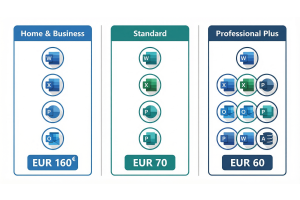
Made for companies, these licenses let you activate software on many devices with one key or server. Microsoft Office and Windows have volume versions (like Windows 11 Enterprise or Office Standard/Professional Plus) that are perfect for companies needing many installations.
Subscriptions (Microsoft 365)
Instead of paying for a license forever, many companies choose cloud subscriptions. For example, Microsoft 365 offers monthly or yearly plans for each user. These plans always give you the newest Office, cloud storage, and other services. For Windows, subscriptions let you use Windows as long as you keep paying (like Windows Enterprise with a subscription).
Each license type has its benefits. OEM licenses are cheap but not flexible. Retail licenses give control to the user. Volume licenses are efficient for companies. Subscriptions offer constant updates and are easy to manage. This is very helpful in fast-changing global workplaces.
Regional Differences in Licensing
Software licenses can be different in price and rules depending on the region or country. Microsoft and other companies change prices and rules based on what makes sense in each market. For example, a Microsoft Office license might cost more in Europe than in Latin America. This shows differences in economy and how much people can buy. Because of these differences, global companies must plan their software budget carefully, keeping local details in mind.
Beyond prices, there are regional differences in what products or license plans are available. Some versions or subscription plans might not be in all countries or might have different names. There are also so-called geographic restrictions: some licenses are legally only for use in a certain area. For example, a key bought in one country might not work in another if the seller limits it for business reasons.
Finally, local laws also affect licensing. For example, the European Union lets people resell used licenses that last forever, under certain rules. This creates a market for cheaper legal licenses. In other countries, this might not be allowed. So, a global company must understand and respect the legal and cultural rules about software licenses in each country.

Common Challenges in Managing Licenses Across Multiple Countries
Managing software licenses in many countries at once has special problems. Common issues include:
Dispersed Inventory
When each branch buys software on its own, it's hard to keep track of everything globally. This can lead to over-licensing (buying too many licenses) in some places and under-licensing (not enough licenses) in others.
Incompatibilities and Different Standards
One country might use a different version of Office than another region. This can cause problems with files working together and make it harder to offer consistent tech support.
Lack of Knowledge of Local Policies
IT staff in one region might not know the license rules in another country. This can lead to accidental rule-breaking. For example, they might use a license in a country where it's not valid, or miss out on global deals that are already set up.
Language Barriers
Managing licenses means dealing with documents and talking to sellers. In places with many languages, language barriers can cause mistakes in understanding contracts or asking for help, especially if there are no translations or staff who speak two languages. Also, keeping track of license renewals across countries is hard because subscriptions might end on different dates. If each site handles its own renewals, one might be missed, which can stop services.
Solutions to Unify Global License Management
To avoid the problems above, global companies often choose to bring together their software license management. Here are some good solutions:
Global Licensing Agreement
Microsoft and other sellers offer company-wide agreements (like Enterprise Agreements) that cover many countries with one contract. This makes sure the rules are the same and makes management easier. You get one account to manage all company licenses. You can also find official licenses through trusted partners like Licendi.
Use of Software Asset Management (SAM) Tools
There are special programs that let you keep a central list of licenses and where they are used across the company. These tools help you track what is installed where and if it follows license rules.
Central License Administrator
Choose a global license manager or team. Their job is to set rules, watch over purchases, and keep local teams updated. This central role can work with branches to guess future needs and make sure purchases are smart and legal.
Unified Cloud Licensing
Use cloud solutions that work in many countries. For example, Microsoft 365 lets you manage users and licenses from one place for employees all over the world. This makes it easier to add or remove users, give out products, and ensure everyone has the same version and level of service.
Training and Communication
Train local teams in their own language about the company's license rules. Good internal communication makes sure everyone knows how to ask for new licenses or report changes. This stops people from buying licenses on their own or using them wrongly.
Legal Implications of Improper License Use
Using software wrongly or without permission has serious legal problems, especially for companies. Installing and using programs without the right license is called piracy or breaking copyright law. Possible problems include:
- Fines and financial penalties: Groups like the Business Software Alliance (BSA) check companies. If they find software without a license, the company could get big fines and have to buy the missing licenses at full price.
- Legal and criminal action: In some countries, using fake software can lead to legal action against IT staff or company leaders. This breaks intellectual property law. It could even mean criminal charges if they meant to make money or cause harm.
- Reputational damage: Being known for using illegal software can hurt a global company’s image. Clients and partners may lose trust. This can put deals and business chances at risk. Also, unofficial software often comes from unsafe places. This raises the risk of viruses and security hacks. If customer data is stolen, the company could face more legal trouble.
Advantages of Centralized Licensing
Bringing together software licensing for the whole global company offers many benefits:
Global Control and Visibility
A central system lets you know exactly how many licenses the company has, where they are used, and when they run out. This helps you make smart choices about renewing and buying new licenses.
Cost Savings
With a central system, it’s easier to get better deals on bulk purchases and talk to the seller. Instead of each country buying separately at higher prices, the company can get better prices per license by buying many licenses together.
Technological Homogeneity
All branches will use the same software versions. This makes files and systems work better together. It also makes employee training and tech support easier, since everyone is using the same tools.
Simplified Compliance
With central licenses, it's easier to make sure rules are followed in each country. Internal and external checks are easier because all records are together and consistent.
Flexible Allocation
If one branch or department needs more licenses and another has extra, central management lets you quickly move licenses to where they are needed. This stops needless buying and makes the best use of what you already have. In the end, centralizing brings order and efficiency. It lowers risks and needless costs that come from managing software in many separate ways.
How to Acquire Legal Licenses for International Environments
Getting legal software licenses in a global company needs planning and knowing your choices. Here are some tips:
Official Distributors and Global Partners
The safest way is to buy through official Microsoft channels or other sellers. There are partners and distributors who work worldwide. They can give licenses for different countries, following all rules.
Specialized Online Stores
Today, you can buy 100% legal digital licenses from special online stores (for example, official Windows and Office licenses are available from the Licendi store). These sites offer original keys that are guaranteed to work. This makes it easy to get legal software fast, no matter where you are.
Volume Purchases or Subscriptions
Decide if buying in bulk (licenses that last forever) or cloud subscriptions is better. For global companies, subscriptions are often easier to manage worldwide. But sometimes, buying perpetual bulk licenses might be cheaper if you prefer to pay once.
Consult the Vendor
If you're not sure which option is right, contact Microsoft or the right seller. They can tell you how to get licenses that work in many regions, or if you need to buy them separately for each country. Always check that the license you buy is right for the country or region where you will use the software. This makes sure it activates correctly and you get legal support in that area.
Recommendations for Small and Medium-Sized Enterprises with Global Presence
Small and medium-sized businesses (SMEs) that work in many countries, even with small budgets and teams, should also follow the best ways to handle global licenses:
Choose Cloud-Based Solutions
For small companies with staff spread across the world, cloud services like Microsoft 365 or Google Workspace can make management much easier. With subscriptions for each user, you get up-to-date apps. Each employee can use them from anywhere without worrying about hard local setups.
Start with Essential Licenses and Scale as You Grow
Not all SMEs need a big license contract from the start. Buy only the licenses you truly need to work legally in each country, and add more as your team gets bigger. Many cloud solutions let you add or remove users each month based on what you need.
Unify Software Policy
Even as a medium-sized business, set a clear rule about what software is used and how it is bought. Use this rule in all your locations. For example, decide if everyone will use Microsoft Office instead of mixing different software to keep things consistent.
Keep Documentation Up to Date
Keep a simple record (a spreadsheet might be enough at first) of which licenses you have, when you bought them, when they run out (if subscriptions), and where/by whom they are used. This will help avoid confusion and get you ready for any check.
Cost Optimization in Volume License Purchases
Buying licenses in bulk is a common way to lower the cost per license. But it needs planning to save the most money:
- Know Your Real Needs: Before placing a big order, figure out how many licenses you need in total and what kinds. Buying more than necessary wastes money. Knowing your needs exactly stops you from buying too much.
- Talk to the Seller: If your company plans to buy, for example, 200 Windows or Office licenses for many offices, talk to a Microsoft rep or seller. They often offer bulk prices, different discount levels, or extras like better support or training.
- Think About Long-Term Deals: Instead of buying everything at once, you can sign a bulk license deal (like Microsoft Open Value or an Enterprise Agreement). This lets you buy licenses over time for a set price. This gives you flexibility to grow without paying too much at first. Try to combine needs from all regions and make one big purchase if you can. Buying 300 licenses at once is often cheaper than three separate orders of 100 in different countries. This is because buying in bulk saves money and gives you more power to negotiate.
How to Manage Languages and Regional Settings in Licensed Software
In places with many languages, just having a license isn't enough. You must make sure the software can be used in the local language and with the right regional settings:
Multilingual Versions
Luckily, both Windows and Office support many languages. With a modern license, you can install more language packs. For example, Windows 11 Pro lets you change the display language and install language packs for different users. Office 365 also lets you download the language pack you need (Spanish, English, French, etc.) so the program and editing tools are in the language you want.
“Single Language” vs “Multi-language” Editions
Try to avoid buying single-language versions if you can. These are often cheaper or made for certain markets, but they make global use harder. It's better to buy versions that support many languages. This way, you can use one standard installation for all countries.
Regional Configurations
Beyond the language of the program, make sure to set up regional settings correctly: date, currency, decimal points, time zone, and so on. Most operating systems and apps get these settings from the system. When you set up Windows in each country, it should include the right regional settings during installation or through group policies in company networks. If you use bulk licenses or company subscriptions, you can usually download the software in any language from the license portal. This makes it easier to give each user a version in their own language.
The Role of Multilingual Technical Support in User Experience
Having valid licenses and correctly set up languages is key. But so is having tech support available in the user’s language. In global companies, support in many languages greatly improves how users feel about the software:
- Faster Issue Resolution: If an employee in Japan has a software problem, being able to explain it and get help in Japanese (or their chosen language) helps solve it faster. Language barriers, however, can slow down help or cause tech problems due to misunderstanding.
- Better Tool Adoption: When users know that support is available in their language, they feel more confident using the software. They’re more likely to report problems or ask how to do something. This means they use the software better (for example, using all Office features).
- Vendor Support in Multiple Languages: When you buy official licenses, you also get help from the seller. Microsoft, for example, offers customer service in many languages and help guides for different places. A company should know how to use these options. The internal IT team can send problems to Microsoft in the right language or look for articles in the help database in the correct language. It's also good to offer quick guides and FAQs in your company's main languages. This lets users find answers themselves when they have documents in their language on how to install software, activate licenses, or fix common problems.
Current Trends in Cloud Software Licensing
The world of software licensing is changing fast because of cloud computing. Some current trends include:
Widespread Subscription Model
More sellers, including Microsoft with Microsoft 365, are moving from licenses that last forever to subscription models. This gives sellers steady income and always gives users the newest version without big upfront costs. In many countries, this model helps make sure all users have the same versions and features.
User-Based Licensing Instead of Device-Based
In the past, Windows licenses were linked to single computers. Now, licensing is moving to models where one user can use the software on many devices. This shows how flexible and remote work is today. For global companies, this means employees who travel or switch devices keep active licenses through their user ID, with no limits on where they are.
Centralized Cloud Managers
Cloud portals let you manage licenses centrally (add/remove users, give out products) right away across all locations. You can see this in tools like Microsoft Azure Active Directory. It links with Microsoft 365 license assignment. This makes it easier for IT to manage global users from one place.
Scalability and Pay-As-You-Go
Especially in cloud services, many licenses are moving to pay-as-you-go models. For example, certain Azure services or company software can grow or shrink based on how much you use them. This helps companies avoid paying for things they don't use and change costs based on how much work they do. Also, cloud license platforms are starting to include tools for rules and security. They warn you about users without proper licenses or wrong usage. This helps keep global licensing consistent.

Comparison Between Perpetual Licenses and Subscriptions Across Countries
Both traditional licenses that last forever and subscriptions have good and bad points. These may change in different countries:
Upfront Cost vs. Recurring Payments
Perpetual licenses mean a big one-time payment. But you can use them for years without more fees (except for optional upkeep). In contrast, subscriptions spread the cost over monthly or yearly payments. In countries with unstable economies, monthly payments might be hit by rising prices or currency losing value. A perpetual license bought at a fixed time fixes the price.
Updates and Support
A subscription (like Microsoft 365) gives you constant updates and support as long as it's active. With a perpetual license, you're allowed to use a certain version (like Office 2021) but not future ones. If you want to upgrade, you have to buy a new license. In many countries, keeping all locations on the same version with perpetual licenses needs careful planning and money for regular upgrades.
Flexibility and Scalability
Subscriptions are more flexible. You can add or remove users as needed and easily move licenses between countries because they are linked to user accounts. Perpetual licenses are more linked to a specific device or company. Moving physical items from one country to another might mean checking rules or getting permission.
Local Availability
In some developing markets, sellers offer lower prices for subscriptions or special plans. This makes them more appealing than buying software all at once. However, in other countries with poor internet, companies might prefer locally installed perpetual licenses to not depend on the cloud. In conclusion, there’s no single best answer. Many global companies use both types. For example, they might use subscriptions for most users because they are flexible. But they might keep some perpetual licenses for important systems that don't need many updates. The key is to look at the total cost and how easy it is to manage in each country.
Practical Cases of Companies Managing Licenses in Multi-Language and Multi-Country Environments
Let’s look at how some made-up companies handle global license management:
Case 1: Tech Multinational Standardizing Office 365
TechGlobal Inc. works in 10 countries across the Americas, Europe, and Asia. Each branch used to buy different local versions of Office. This caused problems with file types and languages. The company switched to Microsoft 365 for its 5,000 employees. From one website, they give out licenses based on users in the language needed. The result: everyone uses the latest version with no problems with files working together, and IT cut Office support time by 30%.
Case 2: Manufacturing SME and Volume Licensing for Windows
Fabricato S.A. is a medium-sized company with factories in Spain, Mexico, and Argentina. Before, each country bought licenses on its own (and some software had no license because they didn't know better). After a legal warning, they brought all buying together under an Open Value bulk contract for about 100 Windows and Office licenses. They saved about 20% compared to separate purchases. Now, they have official bills ready for any check.
These cases show that no matter the size, there are good ways to manage licenses across different regions. Bringing things together, picking the right license, and always checking are common features of companies that do this well.
Conclusion: Best Practices for Software Licensing in Global Environments
Managing software licenses in many languages and countries can be hard. But with the right plans, it becomes a manageable and helpful process. Here are the final best practices:
Centralized Planning
Create a global licensing plan that matches your business goals. Think about global contracts and SAM tools to clearly see all your software.
Ongoing Compliance and Auditing
Don’t wait for an outside check. Do regular internal checks to make sure every installation has the right license. Keep all documents (bills, contracts, keys) organized for all countries.
Flexibility for the End User
Make sure employees can use tools in their language and that tech support can help them. A well-supported user with properly licensed software will be more productive and use the technology to its fullest.
Adaptation to Trends
Regularly check if your licensing model is still right. It might be time to switch to cloud subscriptions or mix models to save money. The market changes, and today’s best offer might change in a few years. Stay informed.
Ultimately, the key is to be proactive and educated. With a good understanding of what software licenses are, your choices, and what they mean in each country, your company can work globally with peace of mind. This means avoiding legal risks and getting the most value from your software tools.